

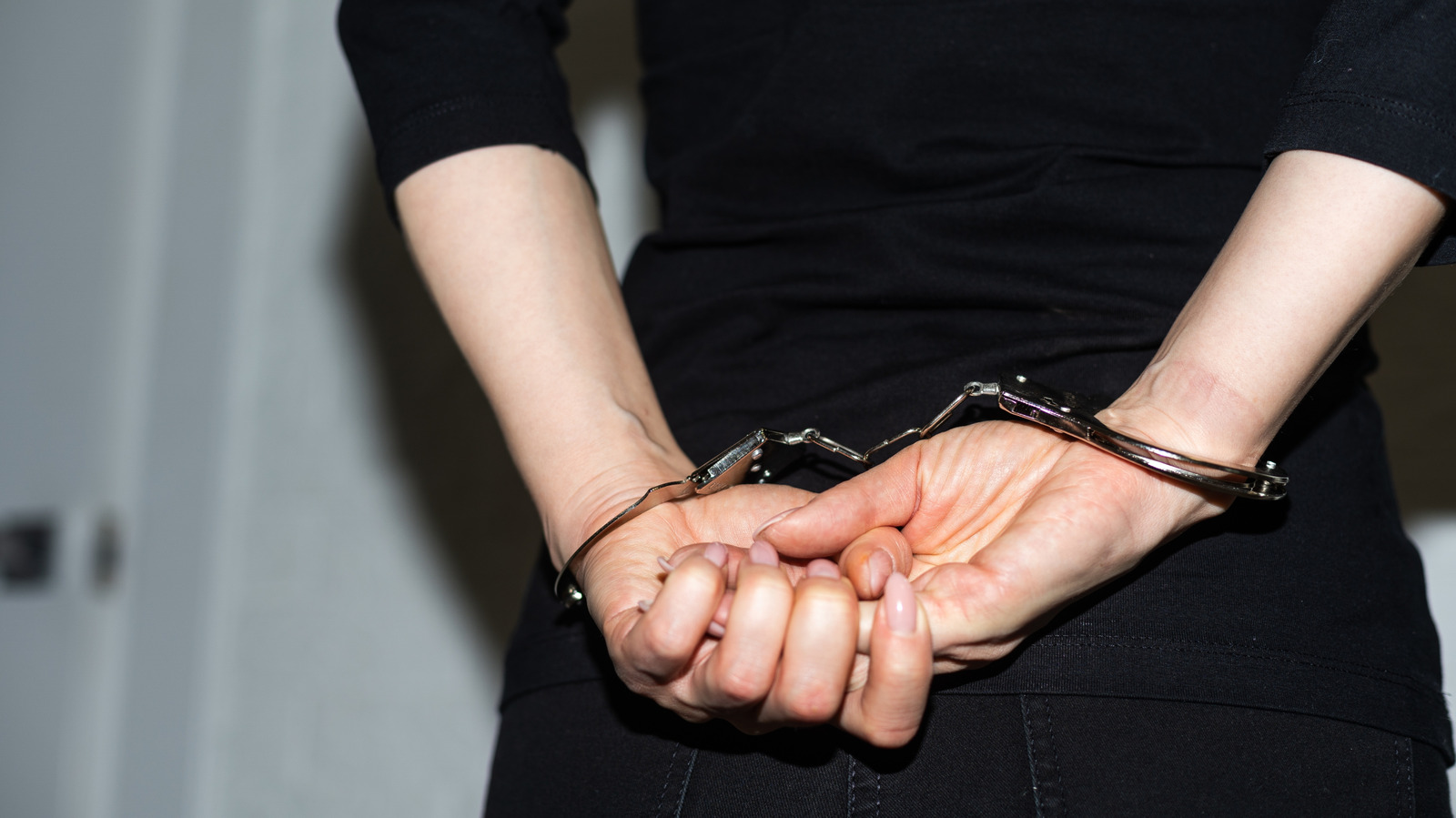
In an alarming instance of technology gone awry, a Tennessee woman named Angela Lipps found herself wrongfully arrested due to an AI misidentification in a bank fraud case that occurred over 1,000 miles away in North Dakota. This incident raises important questions about the reliability and implications of using AI in law enforcement.
Angela Lipps was arrested in July 2025 after a warrant was issued by the Fargo Police Department in North Dakota. The department had sought assistance from the West Fargo Police Department, which routinely employs facial recognition technology from Clearview AI to identify suspects. The aim was to locate a perpetrator involved in a bank fraud case, but the reliance on this technology would soon lead to a significant error.
Despite the police claiming that they conducted additional investigative steps beyond the AI's facial recognition output, Lipps was identified as a suspect. A warrant was issued, and U.S. Marshals arrived at her Tennessee home while she was babysitting, arresting her as a fugitive. The ordeal saw her booked into her local jail and held without bail for nearly four months while she awaited extradition.
Months in Jail
Angela's experience highlights the troubling aspects of facial recognition technology. While the Clearview AI system flagged her as a potential suspect, the full details of the evidence supporting this identification remain unclear. Fargo Police Chief Dave Zibolski emphasized that the arrest was not solely based on the AI-generated lead, suggesting there were other factors at play.
After spending months in jail, Lipps was extradited to North Dakota to face multiple charges. Her legal team eventually managed to prove her innocence using bank records that demonstrated she was not involved in the alleged crime. Consequently, all charges against her were dropped. This situation is not unique; it echoes the case of Porcha Woodruff, a woman in Detroit who was wrongfully accused of carjacking based on erroneous facial recognition data and spent several hours in jail before the charges were dismissed.
In Lipps's case, the aftermath of her wrongful arrest was equally challenging. After her release, she found herself stranded in North Dakota, away from her home in Tennessee. The Fargo Police Department later stated that the duration of her imprisonment was partly due to her fighting extradition and serving time for a separate offense unrelated to the bank fraud case.
Concerns About AI in Law Enforcement
This troubling incident has brought to light the potential dangers of relying on AI technology for criminal investigations. The use of facial recognition systems can lead to significant miscarriages of justice, as demonstrated by both Lipps's and Woodruff's experiences. In light of these events, the Fargo Police Department announced that they would no longer utilize information from the West Fargo Police Department's facial recognition technology, citing concerns about the oversight and operational standards of the technology.
Angela Lipps is now contemplating a lawsuit as a means of seeking justice for the wrongful arrest and the distress it caused her. The issues raised by her case underscore the importance of reevaluating how AI is implemented in law enforcement and the need for rigorous standards to prevent such errors in the future. As society increasingly integrates AI into various aspects of life, including law enforcement, it is critical to address these concerns and ensure that technology serves to protect, rather than harm, individuals.
Source: SlashGear News