

The evolution of technology often showcases the iconic inventions that have transformed our lives, such as smartphones and smart home devices. However, for every groundbreaking success, numerous devices have come and gone, leaving behind intriguing stories of what could have been. This article highlights 15 of the most unusual tech gadgets that, despite their innovative designs and concepts, never really gained a foothold in the mainstream market.
Sony Rolly
The Sony Rolly was an egg-shaped music player that danced while playing music. Equipped with two rubber wheels, it could move around, spin, and even perform choreographed dance moves to music. It offered Bluetooth streaming and had a capacity of either 1GB or 2GB internal memory. However, its high price of $399, absence of a digital screen, and poor audio quality led to its downfall. After its initial release, Sony continued to deny its discontinuation, but it hasn’t resurfaced since 2009.
Nabaztag
The Nabaztag was a Wi-Fi-enabled robotic rabbit that could read the news, weather, and even messages. It had a charming personality, capable of performing tai chi and playing internet radio. Despite its unique features and programmable capabilities, its high price rendered it more of a novelty than a necessity. After the company went bankrupt, the official servers shut down, but many have found ways to keep their bunnies operational using custom software.
Clocky Alarm Clock
Clocky was designed to make waking up a more dynamic experience. This alarm clock would jump off your nightstand and roll away, forcing you to get out of bed to turn it off. With durable construction and a microprocessor that allowed it to navigate obstacles, Clocky aimed to ensure you were fully awake by the time you found it.
Hushme
The Hushme was a voice mask intended for maintaining privacy during phone calls in public spaces. Looking somewhat like a gag device, it aimed to muffle the speaker’s voice using soundproof materials while playing ambient sounds to mask conversations. Despite its practical purpose, its peculiar appearance drew more attention than privacy.
Twirling Spaghetti Fork
This motorized fork aimed to assist those with limited motor skills in eating pasta. While it served a useful purpose for some, it primarily fell into the category of quirky gadgets that are too impractical for regular use, making it a novelty rather than a staple in households.
Air-Conditioned Fan Jacket
Invented as a solution for energy-efficient cooling, this jacket contained hidden fans that circulated air to cool the wearer. Although it was innovative and had a battery life of up to 11 hours, it failed to achieve global popularity, particularly outside of Japan, where it was initially launched.
Teasmades
A combination of an alarm clock and a tea brewer, the Teasmade was designed to brew tea as the alarm sounded. While it was popular in the UK during the 1960s and 70s, the advent of modern kettles made this bulky machine obsolete.
Samsung Ballie
This spherical robot was designed to roll around your home, managing devices and serving as an interactive projector. Despite its futuristic capabilities, Samsung never brought Ballie to market, as it struggled to find a specific purpose among existing smart home technologies.
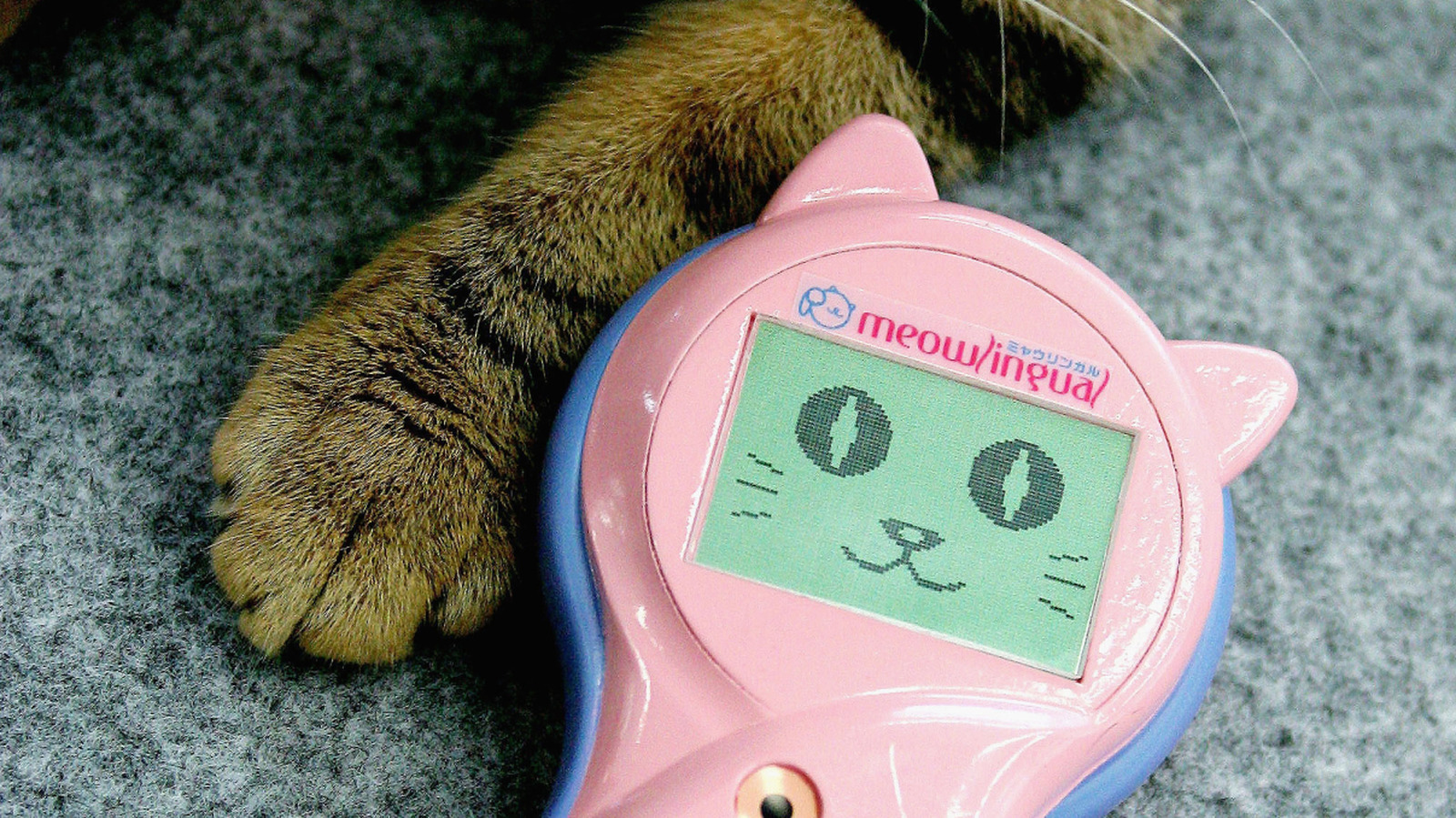
Meowlingual
The Meowlingual was a handheld device that claimed to translate cat sounds into human phrases. While it offered some fun features, its accuracy was questionable, and it never gained traction among pet owners.
Air Purifying Face Masks
These high-tech masks were introduced during the COVID-19 pandemic, featuring built-in speakers and filters. However, their heavy weight and limited battery life made them uncomfortable and impractical for everyday use, and they were seen more as luxury items.
Enomad Uno
The Enomad Uno was a portable hydroelectric generator aimed at campers. While it could charge devices using moving water, its requirement for strong currents limited its usability, leading to its lack of popularity.
LG StanbyME Go
This portable entertainment system combined a touchscreen and speakers into a briefcase design. However, its heavy weight and short battery life made it less appealing compared to more portable devices like laptops and tablets.
Rollkers
Rollkers were designed as motorized attachments for shoes to increase walking speed. Despite their innovative concept, they remained in the prototype phase due to their short battery life and practicality concerns.
CD-ROM Magazines
These digital publications aimed to revolutionize reading by offering multimedia content on CDs. However, the rise of the internet quickly rendered them obsolete, making them a relic of the 90s.
Qoobo
Qoobo is a robotic pillow designed to provide comfort without the responsibilities of a pet. Despite its innovation, its strange appearance hindered its acceptance in many households.
Source: SlashGear News