

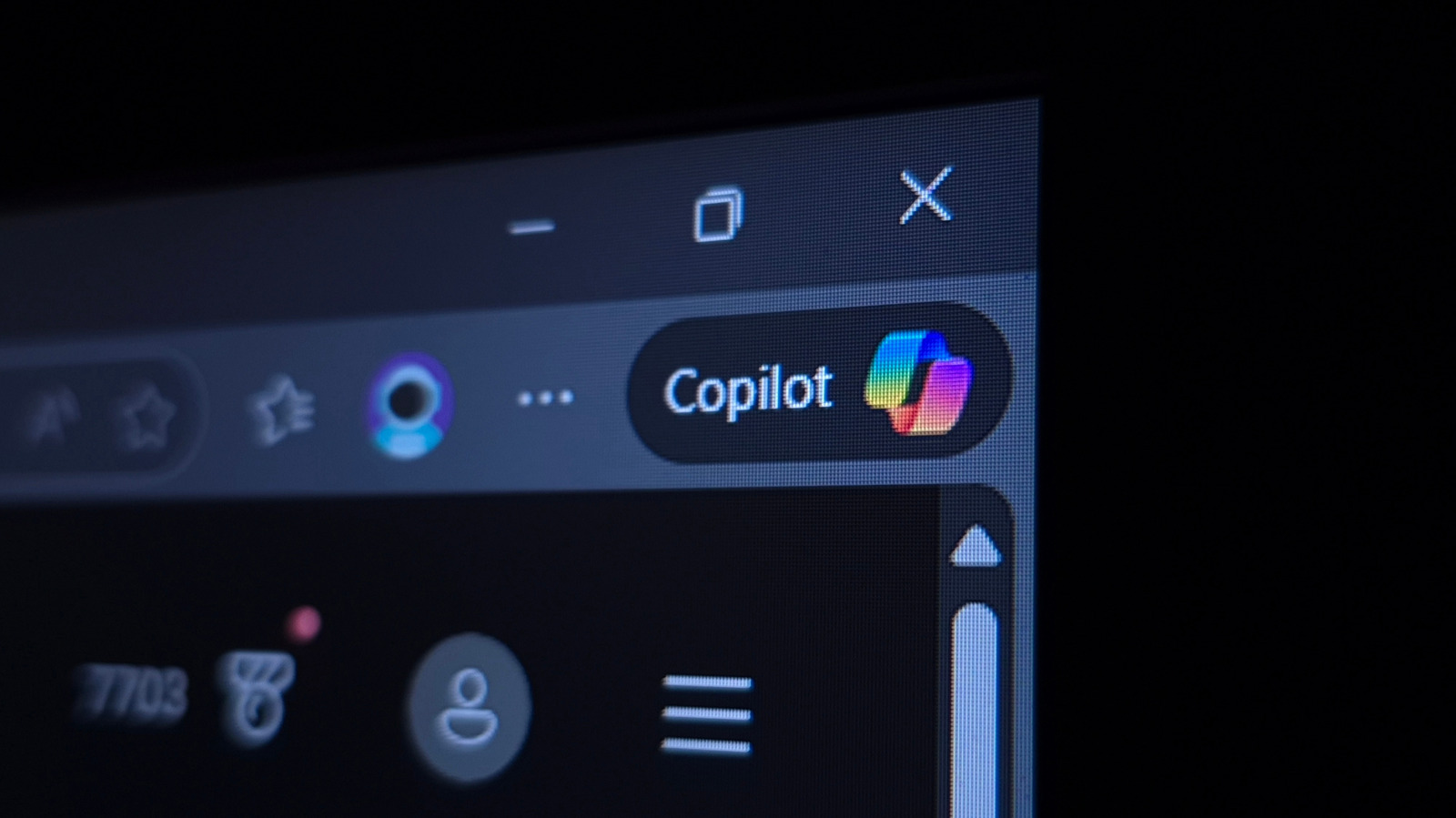
Microsoft has been one of the most aggressive companies in the AI space, implementing its Copilot feature throughout Windows. However, this aggressive integration has led to a backlash from users who feel that the focus on AI is detracting from the overall Windows experience. With Windows 11 plagued by issues such as problematic updates and excessive system resource consumption, users have started to mockingly refer to the company as 'Microslop.'
Initially, Microsoft resisted the negative feedback, with CEO Satya Nadella urging users to stop labeling AI as 'slop' and the company's AI leadership expressing disbelief at the rejection of Copilot. However, as user dissatisfaction continued to rise and became a significant trend, Microsoft began to pivot its approach. Recently, the company has recognized the urgent need for improvements in Windows, particularly as competitors like Linux gain market share.
As part of its shift, Microsoft has started to remove the Copilot branding from several applications. For instance, the Copilot button has been taken out of Notepad in a recent Windows preview build. While the AI writing tools remain available, the branding has changed in response to user feedback, indicating that Microsoft is aware of the negative perception surrounding the Copilot name. Similar adjustments have been made to other tools such as the Snipping Tool and Photos.
Windows Copilot Pullback Signals a Broader Improvement Initiative
Removing the Copilot button from Notepad was a significant move, as it reflects Microsoft's recognition that users prefer simpler, more functional applications without unnecessary features. This change also comes in light of a serious security vulnerability linked to the Copilot feature, which allowed attackers to execute scripts remotely on targeted devices. Microsoft's attempt to integrate AI into basic applications has, in some cases, led to more problems than solutions.
While the Copilot branding has been removed, the functionality tied to AI remains intact, suggesting that Microsoft still intends for users to interact with AI tools but is moving away from the Copilot label due to its increasingly toxic reputation. The company is also planning to reinstate traditional taskbar functions, allowing users to reposition it on different sides of the screen, and is working on making Windows Update less intrusive. Additionally, improvements to the File Explorer, which has faced criticism for its sluggishness and visual glitches, are on the horizon.
The Impact of Competition on Microsoft’s AI Strategy
Microsoft's sudden change in strategy regarding AI can be attributed not only to ongoing negative press but also to intensified competition from Apple, particularly with the launch of the new MacBook Neo. This budget-friendly MacBook poses a significant threat to Microsoft's market share in the laptop sector, as Apple's integration of its supply chain allows it to offer a premium experience at lower price points, potentially attracting budget-conscious consumers away from Windows machines.
Unlike Microsoft, Apple has taken a more measured approach to AI, rolling out only a few basic tools within its planned Apple Intelligence suite. Its partnership with Google to enhance Siri with the Gemini framework further demonstrates its cautious stance, leaving Apple as the only major tech company without a proprietary AI foundation model. The ongoing troubles with Windows 11 highlight that users often prefer an operating system that simply functions well rather than one overloaded with AI features.
Microsoft's challenge now is to ensure that new Windows 11 laptop users, especially those opting for budget models, do not face issues such as slow performance, intrusive advertisements, and excessive AI features. The company has previously navigated user discontent successfully, such as during the backlash against Windows Vista and Windows 8, but it remains uncertain how effectively it can address these latest concerns.
Source: SlashGear News