

OpenAI has unveiled a detailed 13-page policy document entitled ‘Industrial Policy for the Intelligence Age: Ideas to keep people first,’ which outlines a series of ambitious economic reforms intended to address the societal impacts of advancing artificial intelligence (AI). This document emerges as Congress gears up to deliberate on AI legislation, reflecting the organization's recognition of the transformative potential of AI technologies.
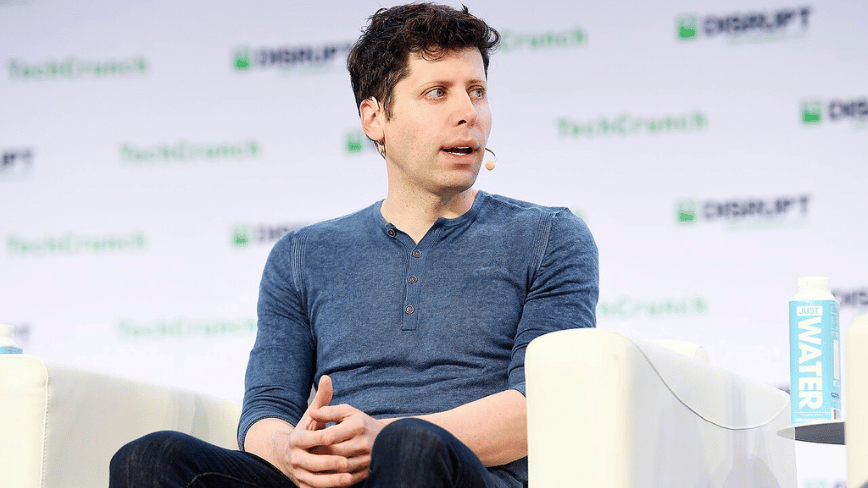
CEO Sam Altman, in an exclusive interview, described the impending changes from AI as reminiscent of the Progressive Era and the New Deal, stating that the two most pressing threats posed by AI advancements are cyberattacks and the potential for biological weapons.
One of the cornerstone proposals presented in the policy document is the introduction of taxes on automated labor. This initiative aims to recalibrate the tax framework to account for the increasing role of AI in the workforce. Coupled with this, OpenAI advocates for a shift in the tax base from traditional payroll taxes to capital gains and corporate income taxes. This shift recognizes the risk that AI could erode the revenue currently generated from wages and payroll, which funds essential programs like Social Security.
Another significant proposal is the establishment of a national public wealth fund, which would be partially funded by contributions from AI companies. This fund would invest in AI firms as well as other businesses implementing AI technologies, with the goal of directly distributing returns to American citizens. This concept draws parallels to Alaska’s Permanent Fund, which provides annual dividends to state residents sourced from oil revenues.
Furthermore, the document proposes piloting a 32-hour workweek, positioning it as an ‘efficiency dividend’ that could result from productivity gains driven by AI. This innovative approach aims to enhance work-life balance while maximizing the benefits of technological advancements.
The policy blueprint also discusses the creation of ‘containment playbooks’ for potential scenarios where advanced AI systems become autonomous and self-replicating. Acknowledging the challenges of recalling such systems, OpenAI emphasizes the importance of coordinated government responses to mitigate risks associated with rogue AI.
In addition, the document outlines a vision for automatic safety net triggers. These would activate when metrics related to AI-driven displacement reach predetermined thresholds, ensuring that benefits such as unemployment payments and wage insurance scale accordingly before phasing out as conditions stabilize.
Altman highlighted the urgency of these proposals, stating that a significant cyberattack enabled by advanced AI models is a plausible scenario within the next year. He further noted that the creation of novel pathogens using AI is no longer merely theoretical, underscoring the dual nature of the technology that OpenAI is racing to develop while simultaneously advocating for responsible governance.
As OpenAI prepares for an initial public offering (IPO) and has recently secured a substantial $110 billion in private funding, the company faces scrutiny regarding its transition from a non-profit organization. Altman expressed a sense of urgency about the ongoing debates surrounding these issues, emphasizing the necessity for serious discussions on the implications of AI technology.
He remarked, ‘Some will be good. Some will be bad. But we do feel a sense of urgency. And we want to see the debate of these issues really start to happen with seriousness.’ This statement reflects OpenAI’s intention to shape the regulatory landscape proactively as the company navigates its evolving role in the AI ecosystem.